
"Ethiopian growing regions"
900 article(s) found

Ethiopian heirloom coffee bean Gujisidamo flavor difference Arsi native coffee brewing suggestion
Although there are more than 10000 unique varieties in Ethiopia, it can be difficult to grow any of them on a large scale. Each variety has its own unique requirements and is usually applicable to a region of the country. Family heirlooms actually refer to Arabica coffee beans of origin that have survived for a long time and can even be found in the wild. But by

Ethiopian Coffee Sidamo characteristics taste and flavor description Ethiopian Coffee Sidamo is good
Professional coffee knowledge exchange more coffee bean information please follow the coffee workshop (Wechat official account cafe_style) what is the special flavor of Ethiopian Sidamo coffee? What are the taste characteristics of Ethiopian coffee producing areas? The Guji producing area in southern Ethiopia is adjacent to Sidamo and Gedeo, with towering mountains and high mountains.

Ethiopian Coffee Bean Story-relationship between Ethiopian Coffee Bean grading and defect rate
Professional coffee knowledge exchange more coffee bean information please follow the coffee workshop (Wechat official account cafe_style) in all the coffee producing areas, the most familiar is Ethiopia, because this is the recognized birthplace of coffee. At first, coffee fruit was regarded as a fruit rather than a drink. Ethiopian coffee beans taste very diverse, from oranges and flowers

Ethiopian Sidamo Coffee beans Sun Fine Coffee Coffee Sidamo Guji single Coffee beans
Factory name: Qianjie Cafe address: No. 10 Baoqian Street, Yuexiu District, Guangzhou City, contact: 38364473 ingredients Table: own baking shelf life: 90 net content: 227g packaging: bulk taste: mellow coffee beans ripe degree: coffee cooked beans contain sugar: sugar-free origin: Ethiopian coffee types: other roasting degree: light roasting countries: Ethiopia

The Ethiopian Coffee Guide gives you a 5-minute understanding of the origin of coffee
Ethiopia is recognized as the birthplace of coffee and is highly respected in the specialty coffee industry. Coffee beans from this country are the staple food on the menu of coffee shops around the world. But why is Ethiopian coffee so well received? How much do you really know about this origin? Coffee production areas in Ethiopia vary widely from region to region, micro-region and even from farm to farm.

How to deal with the processing of Ethiopian single bean? how to divide the grade of Ethiopian single bean?
Professional barista exchanges please follow the coffee workshop (Wechat official account cafe_style) the world-famous Ethiopian coffee are: 1. Limu coffee grows between 1400 meters and 2000 meters above sea level. Wash the coffee. Excellent quality, with strong nut aromas, suitable acidity, with the intensity of wine. The annual output is 29000 tons. 2. Jima coffee grows at an altitude of 140.

Why the coffee species in Ethiopia are all native species the historical reason for the word "native species"
When we talk about Ethiopian coffee, some people use words such as jasmine, rose fruit and magnolia to describe the smell of flowers, but have you ever wondered why these specific varieties with floral flavor are often summed up as "native species"? In the early days of the third wave of coffee, native species were often used to describe Ethiopian coffee, but this is not very accurate.

Flavor characteristics, producing areas and brewing parameters of Ethiopian Sidamo Sun-baked Guji Fine Coffee Beans
Professional barista exchange please pay attention to coffee workshop (Weixin Official Accounts cafe_style ) Processing method: Sunlight factory name: Qianjie Cafe Address: No.10 Baoan Qianjie, Yuexiu District, Guangzhou City Contact information: 020-38364473 Ingredients list: self-baking Shelf life: 90 Net content: 227g Packaging method: Bulk taste: mellow coffee beans Ripe degree: coffee ripe beans sugar: no

Ethiopian Bishan Dimo Water washing Station Coffee introduces what brands Ethiopian coffee has
Professional coffee knowledge exchange more coffee bean information please follow the coffee workshop (Wechat cafe_style) Bishan Dimo washing station the story of the Yonis family began in Hara's warm and dry climate. Harald, the easternmost coffee-growing region of Ethiopia, is famous for its naturally processed coffee because of the lack of water in the region. The Harari are proud of their amber beans.

Is there any special flavor of Ethiopian Sidamo coffee? The smell of coffee producing areas in Ethiopia
Professional coffee knowledge exchange more coffee bean information please follow the coffee workshop (Wechat official account cafe_style) what is the special flavor of Ethiopian Sidamo coffee? What are the taste characteristics of Ethiopian coffee producing areas? The Guji producing area in southern Ethiopia is adjacent to the areas of Sidamo and Gedeo, and there are towering mountains.
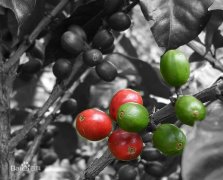
Ethiopian Sidamo African boutique coffee
The coffee flavor of Sidamo is very diverse, because of the different soil composition, regional microclimate and countless native coffee varieties, the coffee produced in each urban area has obvious differences and characteristics. Sidamo producing area (Sidama) is located in the south of Ethiopia. The industry here is mainly agricultural, and the coffee growing area is located around the Great Rift Valley (Great Rift Valley) of East Africa.

Ethiopian coffee producing area Kafabita Manor, Sun Haloba, Kochel Water Dou ha
Professional coffee knowledge exchange more coffee bean information please pay attention to the coffee workshop (Wechat official account cafe_style) Ethiopia Mokahara production area, Sidamo coffee production area characteristics? Kafa Forest Bita Manor Sun Bean flavor and taste? Ethiopian coffee can be divided into several main producing areas: Haramoka (sun), Kafa virgin forest (sun), and west.
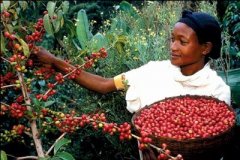
Ethiopian Coffee Sidamo Sidamo Guji Shakiso Shakisso Manor Day
The coffee flavor of Sidamo is very diverse, because of the different soil composition, regional microclimate and countless native coffee varieties, the coffee produced in each urban area has obvious differences and characteristics. Sidamo producing area (Sidama) is located in the south of Ethiopia. The industry here is mainly agricultural, and the coffee growing area is located around the Great Rift Valley (Great Rift Valley) of East Africa.

A brief introduction to the History and Culture of the Origin and Development of Coffee beans in Harald Moka Manor in Ethiopia
Ethiopia has unique natural conditions suitable for growing all imaginable varieties of coffee. As a highland crop, Ethiopian coffee beans are mainly grown in areas between 1, 100 and 2300 meters above sea level, roughly distributed in southern Ethiopia. Deep soil, well drained soil, weakly acidic soil, laterite and soil are soft and contain

Taste Ethiopian coffee
Ethiopia grows coffee in different climatic zones, so it has more than 140 farm varieties, and fresh coffee is produced all the year round. The quality of Ethiopian coffee varies according to different elevations and regional ecological environment. The Harar coffee in the southeast highland is a typical Muha coffee with strong aroma; the coffee produced in the southwest Wollega has a rich fruity flavor; Limu
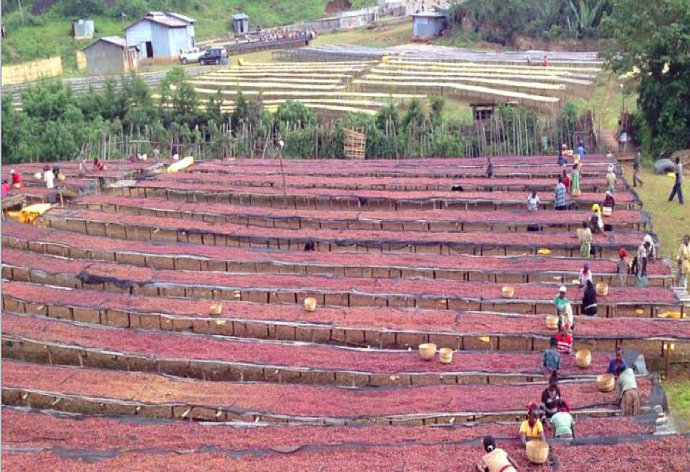
World boutique Coffee Manor: KEFFA region of Ethiopia-an introduction to the birthplace of coffee
The birthplace of Ethiopian KEFFA- coffee reprinted 2015-06-21 13:37:13 label: Ethiopian coffee beans are located in East Africa Ethiopia in ancient Greek means the land inhabited by sun-tanned people. Ethiopia's unique cultural tradition, spectacular scenery, pleasant climate, rich animal and plant resources, important places of interest, hospitality and friendly people

Ethiopian coffee with a long aftertaste Description Variety Features Price Growing Environment Introduction
Ethiopia is the birthplace of the famous Arabica coffee bean, and the tradition of harvesting wild coffee beans has been maintained to this day. The coffee garden with an altitude of more than 1500 meters has formed a unique coffee terroir after more than a thousand years of evolution and adaptation. Ethiopian coffee grown in a natural wild environment is called wilderness coffee, retaining the most primitive and natural taste of coffee beans.

World boutique coffee farm beans; Harald mocha (part 1) in Ethiopia has a delicate and rich taste
[product name]: Ethiopia Harald Mocha (Ethiopia Harar Mokha) [quality rating]: DP Grade 4 [baking]: recommended moderate baking (Medium Roast or City Roast) [grade]: excellent [granule]: ★ full [acidity]: ★★★★ slightly sour, dark chocolate aftertaste [balance]: ★★★★ is very stable

Ethiopian Coffee Variety Daquan introduces what kind of coffee is the local native heirloom?
If you are reading about Ethiopian coffee production soon, you will begin to see the word heirloom. Although it is difficult to find a true definition of the phrase, in Ethiopia it is used as a general term for many wild or genetically undefined varieties in the country. For the third wave of coffee lovers, these strange and rare varieties are exciting to try novel flavors.

How to drink coffee beans washed in Ethiopian tea Liku water _ introduction to Ethiopian coffee producing areas
Professional coffee knowledge exchange more coffee bean information please follow the coffee workshop (Wechat official account cafe_style) Ethiopian coffee Ethiopia Ethiopia is the birthplace of coffee, legend has it that an unknown shepherd Kadi Kaldia found this best-selling mysterious red fruit: coffee, while herding sheep in the forests of western Ethiopia.